When a Harp Workshop Closes Its Doors…
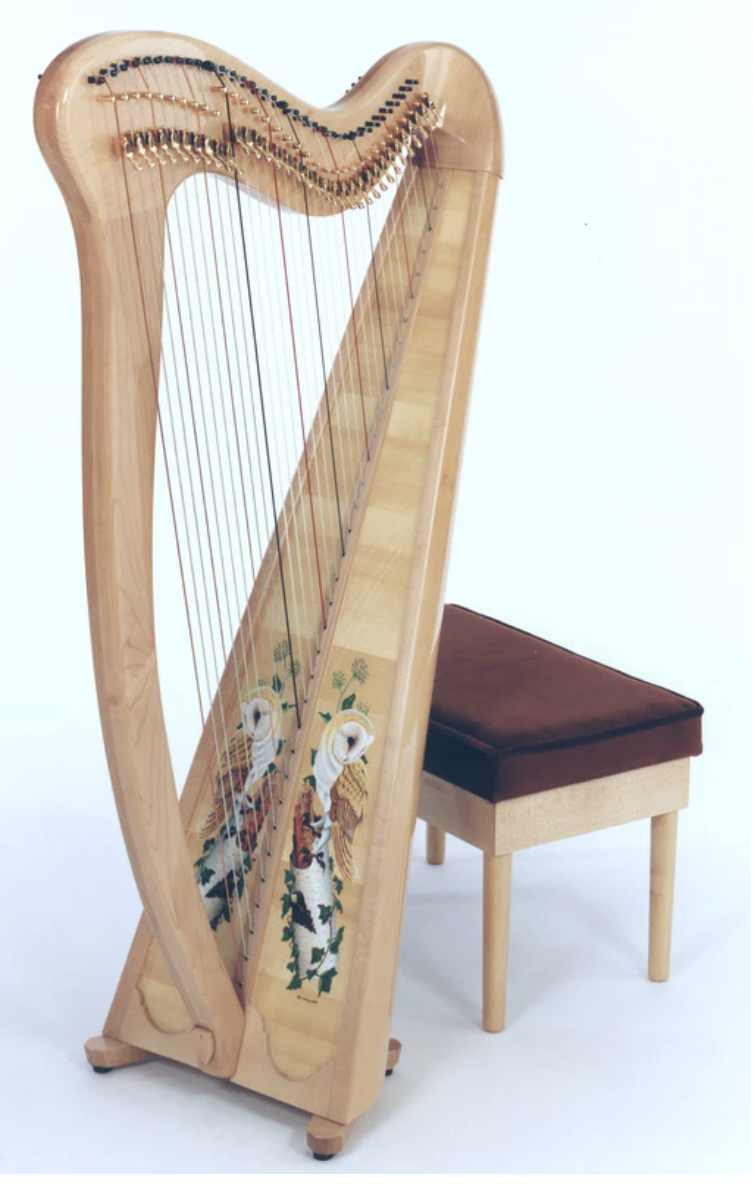
Newsletter - June 2026
While preparing this June newsletter, I originally wanted to share uplifting and inspiring things with you: the new “YOU” page, dedicated to harpists playing my arrangements, as well as Sue’s beautiful story and interview, which you will discover in this edition.
And then, just as I was writing this introduction, I received news that deeply saddened me: the announcement that Pilgrim Harps will be closing its workshop.
A few simple and sincere lines… yet behind them, an entire world feels shaken.
When a harp workshop closes, it is not only instruments that disappear.
It is years of craftsmanship, knowledge passed down through hands and generations, a unique sound identity, a particular vision of the harp.
These are passionate artisans who dedicate their lives to creating instruments capable of accompanying a musician for a lifetime.
And sadly, this is not the first time we have witnessed such a loss.
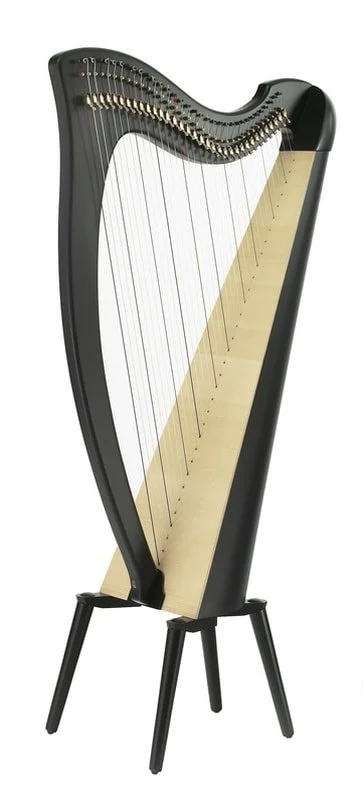
A few years ago, the disappearance of Teifi Harps already left a deep impression on many harpists.
A few years ago, the disappearance of Teifi Harps already left a deep impression on many harpists. Once again, it was not simply a company shutting down —
it was a distinctive voice within the harp world falling silent. Teifi harps had their own character, their own aesthetic, their own soul. Just like Pilgrim harps today.
In a world where everything tends to become standardized, these small workshops represent something precious and fragile.
Every country has its own harp makers, traditions, ways of shaping sound, wood, resonance, and the relationship between musician and instrument.
A harp built in a small workshop is never just a “product.” It carries a human story within it.
Of course, the economic reality has become increasingly difficult. The cost of materials, workshops, energy, and overhead expenses places enormous pressure on small artisan businesses.
And yet, behind every closure lies a question that concerns all of us: how do we preserve these unique forms of craftsmanship?
Supporting small harp workshops is not only about purchasing an instrument.
It is about supporting a living culture. It is about allowing artisans to continue creating harps that are unique, inspired, and deeply human.
Today, my thoughts are with all the people working quietly behind these workshops: the luthiers, designers, families often involved in the journey, and also the harpists who still dreamed of one day owning one of these instruments.
I sincerely hope that other workshops will continue to live on, to pass on their knowledge, and to let their own voices be heard within the harp world.
Because the diversity of instruments is also part of the richness of our musical world.
And every workshop that disappears takes away a small part of that richness with it.
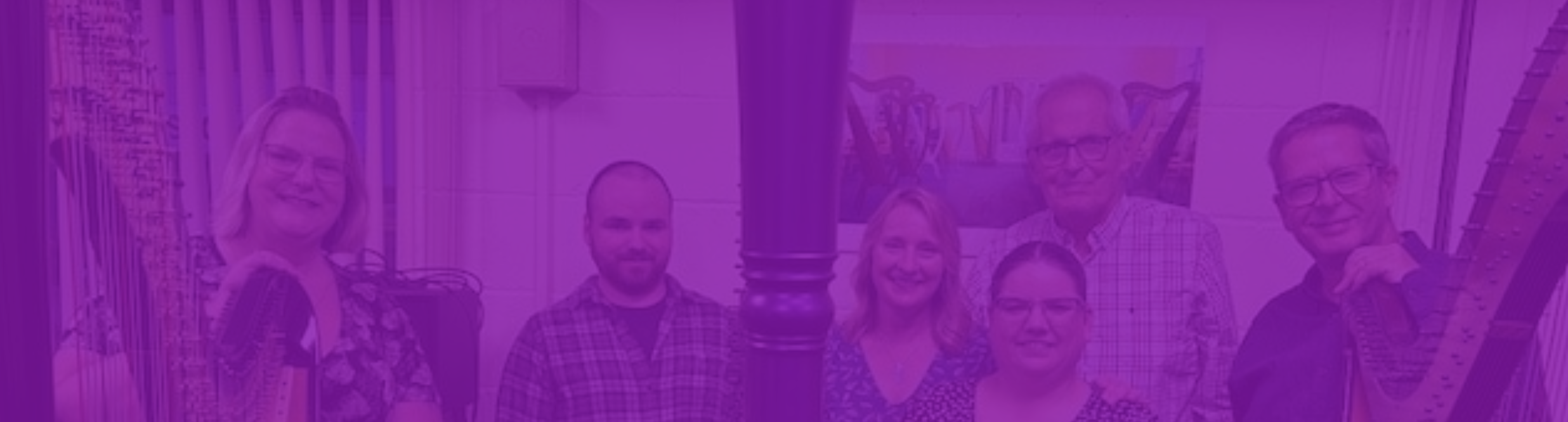
Pilgrim’s Team
Eve McTelenn - June 2026